
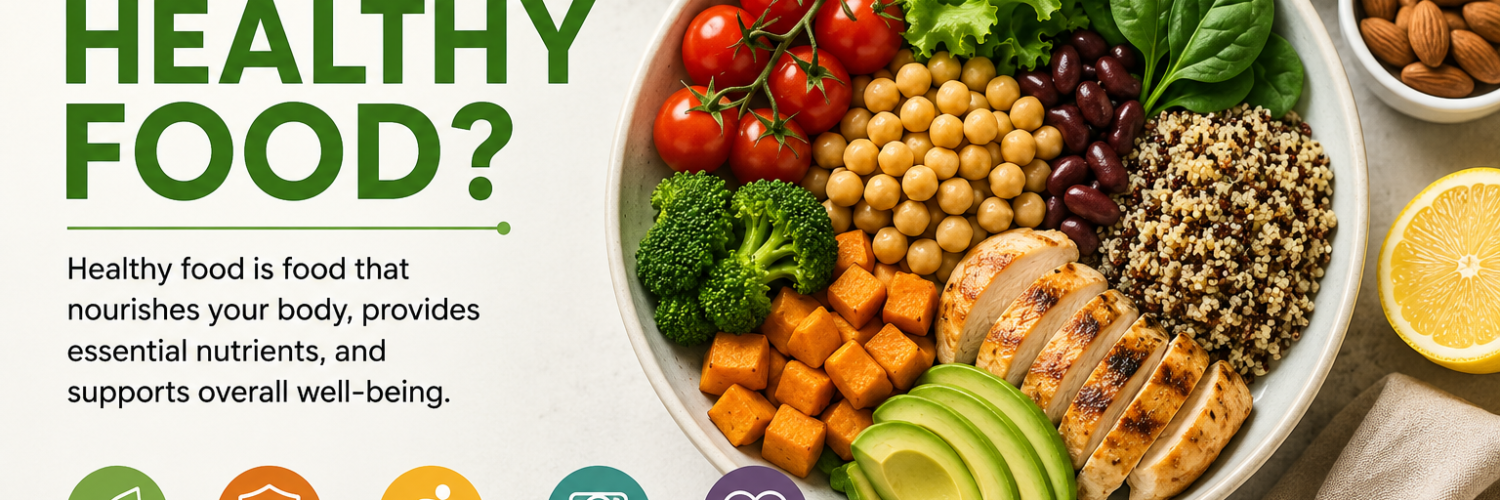

Every time we sit down to eat, we make a small decision that adds up over a lifetime. So what is healthy food, really? It’s more than a buzzword on a cereal box or a hashtag under a plate of avocado toast. Healthy food is any food that nourishes your body with the nutrients it needs vitamins, minerals, protein, healthy fats, fiber, and carbohydrates while limiting excess sugar, sodium, and unhealthy fats. In this guide, we’ll break down what balanced nutrition actually looks like, how to build healthy meals, and simple ways to make eating well part of your everyday routine.
Understanding What Healthy Food Really Means
At its core, healthy food is about balance, not restriction. It’s not about cutting out entire food groups or chasing the latest fad diet. It’s about giving your body a mix of nutrients in the right proportions so it can function properly, repair itself, and keep you energized throughout the day.
A healthy diet typically includes:
- Fruits and vegetables – rich in vitamins, minerals, antioxidants, and fiber
- Whole grains – such as brown rice, oats, and whole wheat, which provide sustained energy
- Lean proteins – like chicken, fish, beans, lentils, and tofu, essential for muscle repair and growth
- Healthy fats – found in nuts, seeds, olive oil, and avocados, which support brain and heart health
- Dairy or dairy alternatives – for calcium and vitamin D
- Water – often overlooked, but hydration is a cornerstone of good nutrition
When these elements come together in the right proportions, you get a plate that fuels your body instead of just filling it.
What is Healthy Food The Building Blocks of Balanced Nutrition
Balanced nutrition isn’t about eating perfectly at every meal it’s about consistency over time. Here are the main components to keep in mind:
1. Macronutrients
Carbohydrates, proteins, and fats are the three macronutrients your body needs in larger amounts. Carbs provide quick energy, protein supports muscle and tissue repair, and fats help absorb vitamins and protect your organs.
2. Micronutrients
Vitamins and minerals like vitamin C, iron, calcium, and potassium are needed in smaller amounts but are just as important. A colorful plate think leafy greens, orange sweet potatoes, and purple berries usually means a wider range of micronutrients.
3. Portion Control
Even nutritious foods can cause weight gain or digestive issues if eaten in excess. Learning proper portion sizes helps you enjoy a variety of foods without overloading on calories.
4. Whole Foods Over Processed Foods
Whole, minimally processed foods generally contain more nutrients and fewer additives than heavily processed options. Choosing an apple over apple-flavored candy, or grilled chicken over a fried nugget, is a simple way to eat closer to nature.
Why Visual Inspiration Matters: Healthy Food Photos
If you’ve ever searched for healthy food photos online, you know how motivating a beautifully arranged bowl of quinoa, roasted vegetables, and grilled salmon can be. Visual inspiration plays a bigger role in healthy eating than people realize. Seeing vibrant, well-plated meals can:
- Spark new recipe ideas
- Make healthy eating feel exciting rather than restrictive
- Help you understand proper portion sizes and food pairings
- Encourage mindful eating by making meals feel special
Following nutrition-focused social media accounts, food blogs, or Pinterest boards filled with healthy food photos can be a simple, low-effort way to stay motivated on your wellness journey.
Finding Healthy Food Near Me: Practical Options
One of the most common searches people make is healthy food near me especially when they’re busy, traveling, or simply don’t want to cook. Fortunately, eating well while eating out is easier than ever. Here’s how to find nutritious options nearby:
- Use food delivery apps with filters – Many apps let you filter by “healthy,” “salads,” or “high-protein” options.
- Check nutrition information online – Most restaurant chains post calorie and nutrient information on their websites.
- Look for farm-to-table or salad-focused restaurants – These typically emphasize fresh, whole ingredients.
- Visit local farmers markets – A great source for fresh produce and often ready-to-eat healthy snacks.
- Search grocery store hot bars – Many supermarkets now offer freshly prepared, healthy meal options.
Whether you’re at home or on the go, healthy choices are more accessible today than ever before.
How to Eat Healthy Food Everyday: Practical Tips
Knowing what healthy food is is one thing actually eating it consistently is another. Here’s how to eat healthy food everyday without feeling overwhelmed:
1. Plan Your Meals Ahead
Spend 15–20 minutes each week planning your meals. This reduces last-minute unhealthy choices and saves time during busy weekdays.
2. Keep Healthy Snacks Accessible
Stock your kitchen with fruits, nuts, yogurt, and cut vegetables so healthy options are always within reach.
3. Cook in Batches
Preparing large portions of grains, proteins, and roasted vegetables on the weekend makes assembling healthy meals during the week quick and easy.
4. Practice the Plate Method
Fill half your plate with vegetables, a quarter with lean protein, and a quarter with whole grains or starchy vegetables. This simple visual guide takes the guesswork out of balanced eating.
5. Stay Hydrated
Sometimes thirst is mistaken for hunger. Drinking enough water throughout the day supports digestion, energy, and appetite control.
6. Don’t Aim for Perfection
Healthy eating isn’t about never enjoying dessert or fast food again it’s about making nutritious choices most of the time. An 80/20 approach (80% nutrient-dense foods, 20% flexibility) is sustainable for most people long-term.
7. Read Labels
When buying packaged foods, check for added sugars, sodium content, and ingredient lists. Shorter ingredient lists with recognizable items are usually a good sign.
Final Thoughts
So, what is healthy food? It’s not a single food or a strict rulebook it’s a flexible, balanced approach to eating that fuels your body, supports long-term wellness, and still leaves room for enjoyment. By understanding the basics of balanced nutrition, drawing inspiration from healthy food photos, knowing how to find healthy food near you, and building simple daily habits, you can make nutritious eating a natural and lasting part of your lifestyle not a temporary fix, but a sustainable way of life.

Add comment