


Gas Problem in Stomach
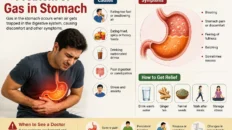
gas problem in stomach (bloating, acidity, or flatulence) are very common and usually linked to digestion issues, food habits, or lifestyle. If you’re dealing with frequent gas discomfort, here’s a clear and practical guide on what to do.
First, focus on your eating habits. Eating too fast or overeating is one of the biggest causes of gas. When you eat quickly, you swallow air, which leads to bloating. Try to eat slowly, chew your food properly, and avoid talking too much while eating. Also, avoid lying down immediately after meals—wait at least 30 minutes.
Your diet plays a major role. Certain foods are known to cause gas problem in stomach, such as beans, cabbage, cauliflower, fried foods, and carbonated drinks. You don’t need to eliminate them completely, but observe what triggers your symptoms and reduce those foods. Instead, include light and easy-to-digest foods like rice, curd, bananas, and boiled vegetables.
Drinking enough water is very important. Proper hydration helps digestion and prevents gas buildup. Warm water, especially in the morning, can improve digestion. Herbal drinks like ginger tea or fennel (saunf) water are also very effective for relieving gas.
Home remedies can work surprisingly well. Chewing a small amount of fennel seeds after meals helps reduce bloating. Ginger is another powerful remedy—it improves digestion and reduces gas formation. You can also mix a pinch of asafoetida (hing) in warm water and drink it for quick relief.
Lifestyle habits matter just as much as food. Lack of physical activity slows digestion, which leads to गैस की तकलीफ. Even a simple 15–20 minute walk after meals can make a big difference. Regular exercise like yoga is also helpful—poses like bloating and gas relief are specifically known to relieve gas.
Stress and anxiety can also affect your digestion. When you’re stressed, your digestive system slows down, leading to bloating and discomfort. Try simple relaxation techniques like deep breathing or meditation to keep your gut healthy.
If the problem is frequent or severe, you can consider over-the-counter medicines like antacids or digestive enzymes. However, don’t rely on them daily without consulting a doctor.
gas problem in stomach Finally, pay attention to warning signs bloating and gas relief. If your gas problem is accompanied by severe stomach pain, weight loss, vomiting, or persistent discomfort, it could indicate a more serious condition, and you should consult a doctor.
In summary, gas problems can usually be managed with simple changes—eat slowly, choose the right foods, stay hydrated, stay active, and use natural remedies. Small daily habits can make a big difference in keeping your digestion smooth and comfortable.



Add comment