
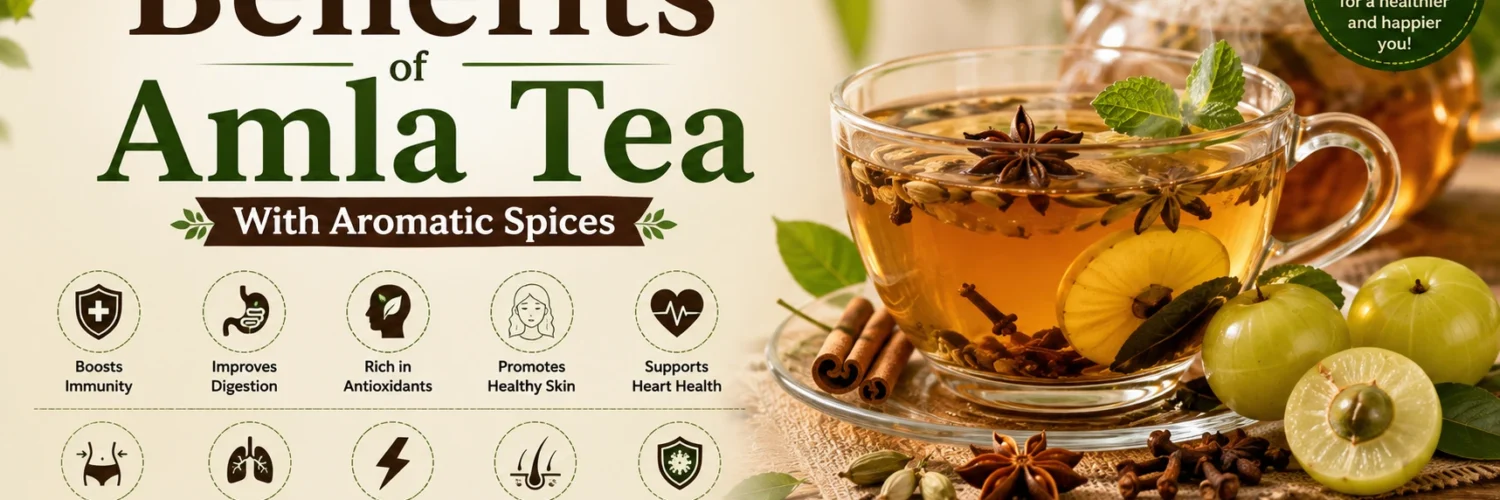

Amla tea with aromatic spices offers three main health benefits: improved digestion, boosted immunity, and better blood sugar control. This warm drink combines Indian gooseberry with spices like ginger, cinnamon, and cardamom to support overall wellness.
Amla tea is a vitamin C–rich herbal drink made by steeping dried or fresh Indian gooseberry in hot water, often combined with spices like ginger, cinnamon, or cardamom. The benefits of drinking Amla tea include stronger immunity, better digestion, glowing skin, and healthier hair. When paired with aromatic spices, it also improves taste, boosts metabolism, and adds extra antioxidant power.
If you have ever searched for a natural drink that supports your immune system, improves your skin, and even strengthens your hair, you have probably come across Amla tea. Amla, also known as Indian gooseberry, has been used in Ayurveda for thousands of years, and today it is becoming a global favorite as a morning detox drink.
But plain Amla tea can taste sharp and sour to many people. That’s exactly why more people are now making Amla tea with aromatic spices a warm, comforting version that is easier to drink daily while still delivering all the amla tea benefits your body needs.
In this article, we will cover everything you need to know: what Amla tea is, its science-backed benefits, how to prepare it with spices at home, its role in hair care (including the popular neem amla, fenugreek hair tea, and amla powder and black tea for hair remedies), possible side effects, and answers to the most commonly asked questions.
What Is Amla Tea?
Amla tea is a herbal infusion prepared using Amla (Indian gooseberry), a small green fruit that is one of the richest natural sources of vitamin C. The tea can be made using:
- Dried amla slices
- Amla powder
- Fresh amla juice
- Amla combined with black tea or green tea leaves
When you add spices such as cinnamon, cardamom, cloves, ginger, or tulsi (holy basil) to this base, you get an aromatic, flavorful version that is gentler on the palate and offers additional therapeutic properties. This combination is often referred to as spiced Amla tea, and it is one of the easiest ways to enjoy the benefits of drinking Amla tea without feeling overwhelmed by its natural sourness.
Benefits of Drinking Amla Tea
The benefits of drinking Amla tea are backed by centuries of Ayurvedic use and are increasingly supported by modern nutritional science, since amla is packed with vitamin C, polyphenols, and antioxidants. Below are the most important amla tea benefits you should know about.
1. Boosts Immunity
Amla is one of the richest natural sources of vitamin C, containing significantly more of this nutrient than an orange. Regularly drinking Amla tea helps the body produce more white blood cells, which strengthens your immune defense against seasonal colds, flu, and infections.
2. Improves Digestion
One of the most appreciated amla tea benefits is its effect on gut health. Amla tea:
- Stimulates the secretion of digestive enzymes
- Helps relieve bloating and acidity
- Supports regular bowel movement
- Soothes an inflamed stomach lining
3. Supports Healthy, Glowing Skin
The antioxidants in Amla tea fight free radicals that cause premature aging, wrinkles, and dull skin. Vitamin C also supports collagen production, which keeps the skin firm and youthful. Many people drink Amla tea every morning specifically for this reason.
4. Helps Manage Blood Sugar Levels
Some early research suggests amla may help support healthy insulin function and moderate blood sugar spikes. While Amla tea should never replace medical treatment for diabetes, it can be a helpful addition to a balanced lifestyle.
5. Supports Heart Health
Amla tea may help maintain healthy cholesterol levels and support blood vessel flexibility, which are both important factors for a healthy heart.
6. Aids in Weight Management
Because Amla tea is low in calories and helps improve metabolism, many people include it as part of their weight-loss routine, especially when consumed first thing in the morning on an empty stomach.
7. Detoxifies the Liver
Amla is traditionally believed to support liver function and help flush out toxins from the body, making Amla tea a popular choice for detox diets.
8. Reduces Stress and Improves Mental Clarity
When brewed with calming spices such as tulsi or cardamom, Amla tea can have a soothing effect on the nervous system, helping reduce stress and improve focus.
Amla Tea With Aromatic Spices: Why Combine Them?
Plain Amla tea is nutritious, but combining it with aromatic spices takes both the flavor and the health benefits to another level. Each spice brings its own therapeutic value while balancing amla’s natural tartness.
| Spice | Flavor Profile | Key Benefit When Combined With Amla Tea |
|---|---|---|
| Ginger | Warm, spicy | Aids digestion, reduces nausea and inflammation |
| Cinnamon | Sweet, woody | Helps balance blood sugar, adds natural sweetness |
| Cardamom | Fragrant, cooling | Freshens breath, supports digestion |
| Cloves | Strong, warming | Natural antibacterial properties, relieves toothache |
| Tulsi (Holy Basil) | Herbal, slightly minty | Reduces stress, supports respiratory health |
| Black Pepper | Sharp, pungent | Enhances nutrient absorption, especially vitamin C |
| Fennel Seeds | Sweet, licorice-like | Soothes bloating, freshens the palate |
This is why “Amla tea with aromatic spices” has become such a popular search. It is not just about taste; it’s about creating a complete wellness drink in a single cup.
How to Make Amla Tea With Aromatic Spices at Home
Ingredients
- 1 tablespoon dried amla pieces (or 1 teaspoon amla powder)
- 2 cups water
- 1 small piece of ginger, crushed
- 2–3 cardamom pods, crushed
- 1 small cinnamon stick
- 1 clove
- Honey or jaggery to taste (optional)
Steps
- Boil 2 cups of water in a saucepan.
- Add the dried amla pieces (or amla powder), ginger, cardamom, cinnamon, and cloves.
- Let the mixture simmer on low heat for 8–10 minutes so the flavors and nutrients infuse well.
- Strain the tea into a cup.
- Add honey or jaggery if you prefer a hint of sweetness.
- Drink it warm, ideally in the morning on an empty stomach or between meals.
Tip: Avoid boiling amla for too long or at very high heat, as excessive heat can reduce its vitamin C content. A gentle simmer is best.
Amla Tea Benefits for Hair
Beyond internal health, Amla tea and amla-based rinses are widely used in hair care. Two combinations are especially popular for people dealing with hair fall, dandruff, or slow hair growth.
Neem Amla Fenugreek Hair Tea
The neem, amla, and fenugreek hair tea is a herbal rinse (not meant for drinking) made by boiling neem leaves, amla, and fenugreek (methi) seeds together in water. This combination is popular because:
- Neem has natural antibacterial and antifungal properties that help control dandruff and scalp infections.
- Amla strengthens hair follicles and adds natural shine.
- Fenugreek is rich in protein and nicotinic acid, which support hair growth and reduce hair thinning.
How to use it: Boil a handful of neem leaves, 2 tablespoons of amla powder, and 2 tablespoons of soaked fenugreek seeds in 2 cups of water for 15 minutes. Let it cool, strain, and use it as a final hair rinse after shampooing, 1–2 times a week.
Amla Powder and Black Tea for Hair
Another well-known remedy is amla powder and black tea for hair, often used as a natural hair darkening and conditioning rinse. Black tea is rich in tannins, which are believed to help gradually darken hair naturally and add shine, while amla nourishes the scalp and strengthens the hair shaft.
How to use it:
- Boil 2 black tea bags (or 2 teaspoons of loose black tea) in 2 cups of water for 5 minutes.
- Let it cool slightly, then mix in 2 tablespoons of amla powder.
- Let the mixture sit for 10–15 minutes.
- Strain and apply to clean, damp hair, focusing on the scalp and roots.
- Leave it on for 20–30 minutes, then rinse with plain water.
Using this amla powder and black tea for a hair remedy once a week can help reduce hair fall, add natural shine, and support overall scalp health.
Amla Tea vs. Amla Juice vs. Amla Powder
| Form | Best For | Notes |
|---|---|---|
| Amla Tea | Daily immunity & digestion support | Gentle, easy to flavor with spices |
| Amla Juice | Quick vitamin C boost | Stronger taste, often diluted with water |
| Amla Powder | Hair masks, skin masks, and tea | Most versatile, long shelf life |
Who Should Be Careful With Amla Tea?
While Amla tea is generally safe for most people, a few precautions are worth noting:
- Pregnant or breastfeeding women should consult a doctor before regular use.
- People with acid reflux may find that too much amla tea worsens acidity, since it is naturally tart.
- Those on blood-thinning or diabetes medication should speak to a healthcare provider, as amla may interact with certain medications.
- People with low blood pressure should monitor their levels, as amla may have a mild blood-pressure-lowering effect.
As with any herbal remedy, moderation is key. 1 to 2 cups of Amla tea per day is generally considered a safe amount for healthy adults.
Best Time to Drink Amla Tea
- Morning, empty stomach: Best for digestion and detox benefits.
- Between meals: Helps with nutrient absorption without disturbing digestion.
- Avoid drinking right before bed: Its energizing properties may interfere with sleep for some people.
(FAQ’s)
1. What are the main benefits of drinking Amla tea?
The benefits of drinking Amla tea include improved immunity, better digestion, healthier skin, support for hair growth, and help with weight management, thanks to its high vitamin C and antioxidant content.
2. Can I drink Amla tea every day?
Yes, most healthy adults can safely drink 1–2 cups of Amla tea daily. However, people with acidity issues or those on medication should consult a doctor first.
3. Does Amla tea help with weight loss?
Amla tea itself doesn’t burn fat directly, but its metabolism-supporting and digestion-friendly properties make it a helpful addition to a weight-loss routine when paired with a balanced diet.
4. What spices go best with Amla tea?
Ginger, cinnamon, cardamom, cloves, and tulsi are among the best aromatic spices to combine with Amla tea, as they enhance both flavor and health benefits.
5. How does neem, amla, and fenugreek hair tea help hair growth?
The neem, amla, and fenugreek hair tea combines antibacterial, protein-rich, and follicle-strengthening ingredients that together reduce dandruff, control hair fall, and promote healthier hair growth when used as a regular rinse.
6. Is amla powder and black tea good for hair?
Yes, amla powder and black tea for hair is a popular natural remedy believed to gradually darken hair, add shine, and strengthen the scalp due to the combined tannins in black tea and nutrients in amla.
Advance FAQ’s
Q – How To Make Amla Tea?
A – To make a simple and healthy amla tea, you will need amla powder or fresh amla, water, and optional flavor enhancers like ginger or honey.
Q – Can amla juice be taken after tea?
A – It is best not to take amla juice immediately after tea; you should wait at least 30 to 45 minutes between them. Drinking them too close together can cause stomach discomfort and reduce how well your body absorbs nutrients.
Q – Can I drink green tea with amla juice?
A – Yes, you can safely drink green tea with amla juice, as they combine high levels of antioxidants and Vitamin C to support immunity and metabolism.
Q – Can I take green tea after drinking amla juice?
A – Yes, you can take green tea after amla juice, but it is best to wait about 30 to 45 minutes between them. Drinking them too close together on an empty stomach can lead to excess stomach acid, nausea, or digestive discomfort.
Q – Can tea powder, amla powder, and kalonji colour hair?
A – Tea powder, amla powder, and kalonji (nigella seeds) can darken hair and blend grays when combined properly, but they do not act as a strong standalone permanent dye without a primary coloring agent like henna or an iron vessel to trigger a darkening reaction.
Q – What are the benefits of amla tea?
A – Amla tea boosts immunity, improves digestion, and promotes glowing skin due to its high content of vitamin C and antioxidants. It is made using the Indian gooseberry, consumed either as dried pieces steeped in hot water or via amla powder.
Q – What happens if we drink amla daily?
A – Drinking amla (Indian gooseberry) daily boosts your immunity, improves skin and hair health, and supports healthy digestion.
Q – Can I boil amla and drink?
A – Yes, you can boil amla and drink the water or use the boiled pieces to make a drink. Drinking amla water helps boost immunity, aids digestion, supports liver function, and provides antioxidants, though prolonged heavy boiling can reduce some of its vitamin C content.
Q – Are there any side effects of amla?
A – Amla (Indian gooseberry) can cause side effects like hyperacidity, digestive upset, and low blood sugar when consumed in excess. While generally safe in normal food amounts (1–2 fresh fruits or 500–1,000 mg of extract daily), overconsumption or use by sensitive individuals can lead to adverse reactions.
Q – Organic Iced Amla Tea with Aromatic Spices?
A – Organic Iced Amla Tea with Aromatic Spices is a refreshing, vitamin C-rich herbal drink combining tart Indian gooseberry, warming spices like cinnamon, ginger, and cardamom, and a touch of natural sweetener.
Q – Amla Ginger Green Tea – 15 Count?
A – A blend of green tea, zesty amla, and a warming touch of spicy ginger. A perfect harmony of earthy, citrusy, and spicy notes for a refreshing experience.
Q – When to avoid amla?
A – You should avoid eating amla (Indian gooseberry) during specific times and health situations, primarily when experiencing acute acidity, late at night, or if you have low blood sugar, bleeding disorders, or severe kidney issues.
Q – Which organ is amla good for?
A – Amla is good for multiple organs, most notably the liver, heart, and stomach/gut. It is rich in vitamin C and antioxidants that help these parts of the body work well.
Q – What is the best time to drink amla?
A – The best time to eat amla is in the morning on an empty stomach or 30 minutes before a meal. This helps your body absorb its nutrients and vitamin C best.
Q – Who cannot drink amla juice?
A – Certain people should avoid or limit amla juice, including individuals with acid reflux or stomach ulcers, people taking blood-thinning medications, and those with kidney stones.
Q -Does amla repair the liver?
A – Amla does not directly “repair” advanced liver damage, but it helps protect the liver from harm, lower stress, and support overall liver function. It is rich in antioxidants and vitamin C, which reduce inflammation and oxidative stress.
Conclusion
Amla tea, especially when combined with aromatic spices like ginger, cinnamon, and cardamom, is one of the simplest ways to bring the power of traditional Ayurveda into your daily routine. From boosting immunity and aiding digestion to supporting radiant skin and healthier hair through remedies like neem amla, fenugreek hair tea, amla powder, and black tea for hair, the benefits of drinking Amla tea are both wide-ranging and well-rooted in tradition. Start with one cup a day, listen to your body, and enjoy this warm, flavorful path to better wellness.
About the Author
This article is written by a wellness content writer with a strong interest in Ayurveda, natural nutrition, and herbal remedies passed down through Indian tradition. The content is researched and reviewed to ensure it reflects accurate, practical, and trustworthy information for everyday readers.
About Us
We are a health and wellness content platform dedicated to sharing simple, natural, and research-informed guidance on nutrition, herbal remedies, hair care, and skin care. Our goal is to make traditional wellness knowledge easy to understand and apply in daily life.
Contact Us
For questions, feedback, or content suggestions, feel free to reach out to us through the contact form on our website or email our editorial team directly. We welcome reader queries and aim to respond within 2–3 business days.
Sources & References
- National Institutes of Health (NIH) – Office of Dietary Supplements, Vitamin C Fact Sheet
- Ayurvedic texts on Emblica officinalis (Amla) traditional uses
- Peer-reviewed nutritional studies on antioxidant properties of Indian gooseberry
- Traditional herbal hair-care practices documented in Ayurvedic literature
Suggested Internal Links
- Benefits of Drinking Green Tea Every Morning
- Natural Home Remedies for Hair Fall Control
- Ayurvedic Herbs for Better Digestion: How to Use Fenugreek (Methi) for Hair and Skin



Add comment